







Search Results for: Kenya processing method
Kenya AA Coffee Bean Flavor Analysis: Small Tomato and Smoked Plum Notes from the Thika Region and the K72 Washed Processing Method
Kenyan coffee occupies a unique position in the global specialty coffee landscape thanks to its bright fruit acidity and full body. Among them, the AA grade, as the highest specification for bean size, is often regarded as synonymous with Kenyan specialty beans. This article starts with the AA TOP lot from the Asali Honey Processing Station in Kenya's Thika region, currently sold by Front Street Coffee, and systematically reviews Kenya's main coffee-producing regions, the characteristics of varieties such as SL28 and SL34, the AA grading standard, and the most representative K72 washed processing method. By comparing the differences in acidity with Ethiopian coffee, it helps readers understand the source of Kenyan coffee's intense, substantial acidity, as well as the processing logic behind flavors reminiscent of cherry tomatoes and smoked plums. [more…]
Kenyan Coffee Double Washed Process Explained: The Flavor Code from SL28/SL34 Varieties to AA Grading
Kenyan coffee, with its distinct fruity notes and bright acidity, has long been one of the most sought-after origins in the specialty coffee world. Front Street Coffee's Kenyan coffee is a particular favorite among acidity-loving enthusiasts; behind its alluring flavor lie not only the inherent advantages of high-altitude growing conditions and the SL28/SL34 varieties, but also Kenya's unique double washed processing method. This article begins with the historical origins of Front Street Coffee's Kenyan coffee, then outlines the evolution of Kenyan coffee varieties, the specific process and timing control of double fermentation washing, and explains the Kenya AA grading standard. Finally, it includes Front Street Coffee baristas' hot pour-over brewing parameters and flavor descriptions, giving you a comprehensive understanding of why Front Street Coffee's Kenyan coffee is so captivating. [more…]
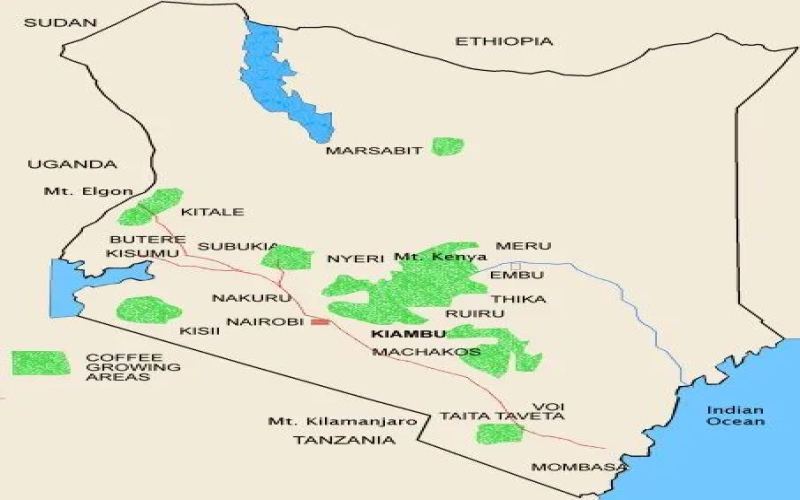
Kenya AA Grading and the K72 Washing Method: A Complete Interpretation from Variety and Region to Processing Technique
Kenya is one of the most important specialty coffee-producing countries in East Africa, where the equator, volcanic soil, and high altitude together shape its signature bright acidity and rich fruity aroma. This article systematically reviews the geographical conditions, historical context, variety composition, grading standards, K72 washed processing method, and the terroir differences of Kenya's seven major producing regions. It also combines Front Street Coffee's actual selections to introduce the flavor profiles of representative lots such as Karogoto, Hania Estate, and Asali, helping coffee enthusiasts gain a comprehensive understanding of the value system and tasting key points of Kenyan coffee. [more…]
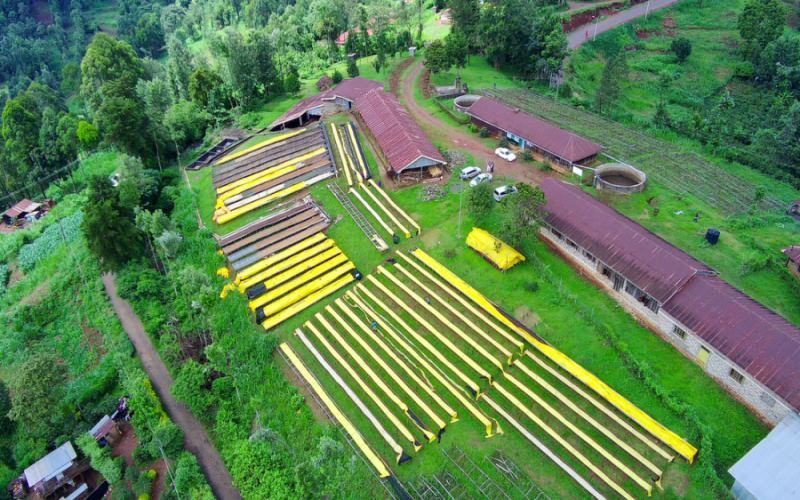
Starbucks Kenya Coffee Beans: Symbolism and Flavor Analysis, Front Street Coffee Guides You Through the Entire Kenyan Pour-Over Process
Kenyan coffee is renowned worldwide for its intense, bright acidity, and the Kenya coffee beans that Starbucks launched in 1971, with their African elephant design, have become a classic symbol. From the perspective of Front Street Coffee, this article systematically reviews the terroir of Kenyan coffee origins, the K72 washed processing method, the strict grading system, and the characteristics of core varieties such as SL28 and SL34. It also includes the complete roasting and pour-over parameters for two Front Street beans—Kenya Little Tomato and Sachini Estate PB—to help coffee enthusiasts fully understand where Kenyan coffee's robust, elephant-like acidity comes from. [more…]
A Complete Analysis of Coffee Growing Altitudes in Kenya: Terroir and Grading Processes from Thika to Nyeri
Kenyan coffee is famous for its bright fruit acidity and full body, and the altitude differences among different producing regions directly affect the flavor expression of the coffee. From Thika to Kirinyaga, and on to Nyeri, each region has its own unique altitude range and variety combination. In this article, Front Street will guide you through the altitude distribution, variety characteristics, and grading standards of Kenya's main coffee-producing regions, as well as how the classic K72 washed processing method shapes a bright acidity reminiscent of cherry tomatoes. Whether you are new to African beans or a seasoned enthusiast, you will find practical reference information here. [more…]
A Complete Guide to Kenya AA Coffee Beans: From the Thika Region to the Rich, Fruity Acidity of K72 Washed Processing
Kenyan coffee has long been celebrated for its bright fruit acidity and solid body, making it the top African choice for many pour-over enthusiasts outside of Ethiopia. This article starts with the Kenyan Small Tomato coffee beans produced by Front Street Coffee, systematically sorting out the meaning of Kenya AA grading, the terroir characteristics of core producing regions such as Thika and Kirinyaga, the origins of staple varieties like SL28 and SL34, and an in-depth analysis of Kenya's signature K72 washed processing method. The article also compares the differences in acidity between Kenya and Ethiopia, helping readers new to African beans build up their flavor understanding step by step. [more…]

Kenya AA Coffee Beans: Complete Guide to Flavor, Varieties, Regions, Grading, and the K72 Processing Method
Kenyan coffee occupies a unique position in the global specialty coffee scene with its bright fruit acidity and full body. Among them, Kenya AA is a grade that is often mentioned, but what exactly does AA represent? From the perspective of Front Street Coffee, this article systematically sorts out the origin terroir of Kenyan coffee, the characteristics of major producing regions, varieties such as SL28 and SL34, the AA grading standard, and the highly representative K72 washed processing method. At the same time, combined with the roasting and brewing plan for Front Street Azalia coffee beans, it gives actionable parameter recommendations to help coffee lovers understand why Kenyan coffee has such strong acidity and rich layers, and to master brewing approaches that highlight its juicy and sweet notes. [more…]

The Origin of Starbucks Kenya AA Elephant Packaging: A Full Analysis of Kenyan Coffee Regions, Varieties, and the K72 Processing Method
Kenyan coffee occupies an important position in the global specialty coffee landscape. Starbucks Kenya AA coffee beans feature an elephant as the packaging design, which naturally evokes the vast scenery of the African savanna. This article, compiled by Front Street Coffee (FrontStreet Coffee), provides a comprehensive analysis of the unique charm of Kenyan coffee, from its historical origins, geographical growing conditions, six major producing regions, four main variety characteristics, green bean grading system, to the K72 washed processing method. The article also specifically shares the roasting parameters and brewing suggestions for Front Street's Kenya Cherry Tomato coffee beans, helping coffee enthusiasts gain a deeper understanding of this African specialty bean with its cherry tomato acidity. [more…]
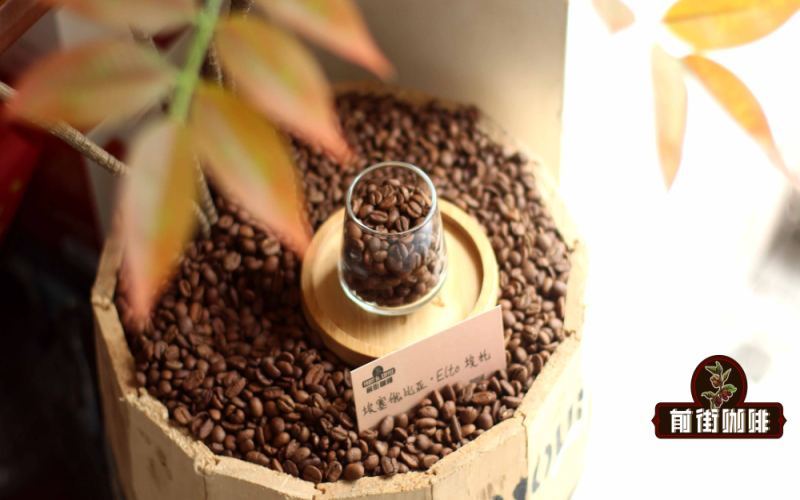
A Complete Guide to Kenya's K72 Double Washed Processing Method: The 72-Hour Fermentation Process, SL Varieties, and the Grading System
In the landscape of specialty coffee, Kenyan coffee stands out with its bright, clean acidity and full-bodied flavor, and the K72 washed processing method is precisely its signature craft. This circulating fermentation system, developed on the basis of traditional washing, completes processing through three soaks and washes of 24 hours each, totaling 72 hours, hence the name K72. This article will systematically outline the specific operational steps of K72, analyze the flavor origins of Kenya's high-altitude production regions and varieties such as SL28 and SL34, and introduce Kenya's coffee grading system. At the same time, the roasting curves, brewing parameters, and flavor performance of two Kenyan beans from Front Street Coffee—Asaliya and Sasini Estate PB—will also be shared, providing coffee enthusiasts with a complete reference from origin to cup. [more…]
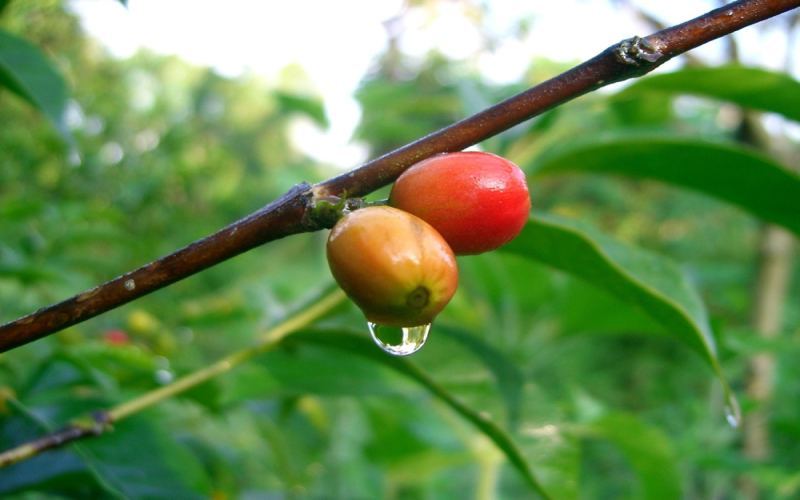
Kenya Coffee Full Analysis: From SL28 and SL34 Varieties to Six Major Regions and the K72 Washed Processing Method
Kenya is located in the equatorial zone of East Africa, bordering the Indian Ocean to the east, Ethiopia to the north, and Tanzania to the south, making it a pivotal specialty coffee-producing country in Africa. Its coffee is world-renowned for its bright fruit acidity, full body, and distinctive berry notes. This article systematically reviews Kenya's coffee-producing regions, variety evolution, and processing techniques, covering the characteristics of major varieties such as SL28, SL34, and Ruiru 11, detailing the terroir differences among six major producing regions including Nyeri and Kirinyaga, and introducing the Kenyan-style 72-hour washed processing method as well as Front Street Coffee's brewing recommendations, providing coffee enthusiasts with a complete knowledge map of Kenyan coffee. [more…]
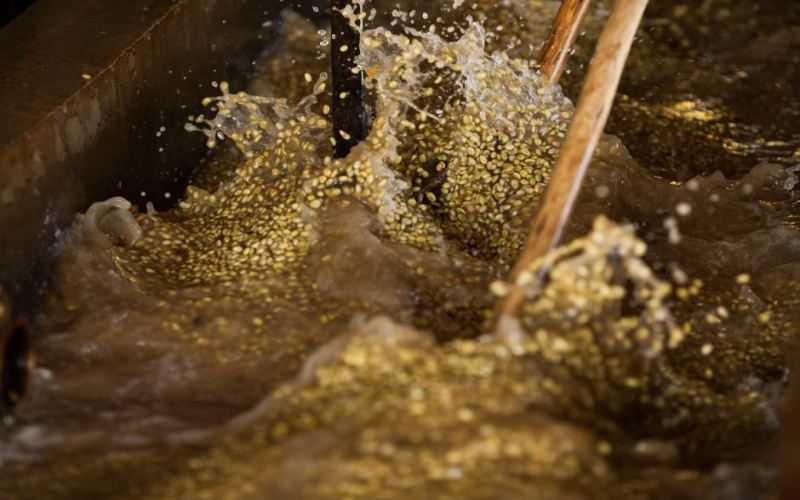
A Complete Guide to Kenya's K72 Double Washed Processing Method: Coffee Bean Flavor Characteristics, Auction System, and Regional Varieties
Kenya, though neighboring Ethiopia, has forged a distinctly different path in coffee development. From the British introduction of coffee in the 19th century, to the Scott Laboratories' selection and breeding of SL28 and SL34, and then to the repeated fermentation process of the K72 double washed method, Kenyan coffee is renowned for its intense acidity reminiscent of cherry tomatoes and dark plums. Front Street Coffee systematically reviews the historical context of Kenyan coffee, its auction trading system, the distribution of major producing regions and variety characteristics, and provides a detailed explanation of grading standards such as AA, AB, and PB. This article also presents the roasting curve, cupping flavor profile, and V60 pour-over parameters for Front Street's Kenya Asalia coffee beans, helping coffee enthusiasts gain a comprehensive understanding of the unique charm of this African producing country. [more…]
Kenya AA Coffee Bean Flavor Analysis and Pour-Over Parameters: A Complete Guide from Origin and Variety to K72 Washed Processing
Kenyan coffee occupies a unique place in the world of specialty coffee, thanks to its bright, intense fruit acidity and full, robust body. Among these, Kenya AA is the grade most often mentioned, but what exactly does AA mean? And what does it have to do with flavor? This article, from the perspective of Front Street Coffee, systematically reviews Kenya's coffee-growing regions, main varieties, grading system, and classic washed processing method, and offers specific pour-over parameters and brewing suggestions for Front Street's Little Tomato. If you're looking for an African bean with bright acidity and rich layers, this article can serve as a reference from beginner to advanced. [more…]
Complete Guide to Kenyan AA Coffee Beans: Growing Regions, Variety Grading, and K72 Washed Flavor Profile
Front Street Kenya coffee has always enjoyed a solid reputation among single-origin coffee enthusiasts, thanks to its bright fruit acidity and substantial body. When you crave acidity but aren't quite used to the light, delicate character of Ethiopian coffee, Front Street Kenya coffee beans are often an excellent transitional choice. And when it comes to Kenyan coffee, one cannot avoid Front Street Kenya AA coffee beans. What exactly does AA stand for? In this article, Front Street will walk you through Kenya's coffee-growing regions, variety composition, grading system, and the most iconic K72 washed processing method, along with roasting and brewing recommendations for Front Street Asalia coffee beans. [more…]
Starbucks Kenya Coffee Beans Price and Flavor Analysis: A Complete Guide to Regions, Varieties, Processing Methods, and the Grading System
Kenyan coffee is renowned worldwide for its bright, intense acidity and distinctive flavor layers. Starbucks has offered Kenya coffee since 1971, and the elephant design on its packaging has long since become a classic symbol. From the perspective of Front Street Coffee, this article systematically reviews Kenya's coffee-growing conditions, main varieties (SL28, SL34, Ruiru11, Batian), the K72 washed processing method, and the green bean grading system. Combined with the roasting and brewing parameters of Front Street's Kenya Little Tomato coffee beans, it will guide you through a comprehensive understanding of the unique charm of this African specialty coffee, offering a reference for everyday purchasing. [more…]
Exploring Kenya's K72 Washed Processing Method: How SL28 and SL34 Create Explosive Fruit Flavors
In the ever-diversifying wave of specialty coffee processing methods, Kenya's K72 washed process stands out with its unique three-cycle fermentation technique, becoming the key to shaping bright, clean flavors. This article will provide an in-depth analysis of the complete K72 process, from green bean selection to raised-bed sun drying, revealing how it imparts coffee beans with vibrant fruit acidity and delicate layers. At the same time, the article will systematically review Kenya's growing conditions, the origins and characteristics of the main varieties SL28 and SL34, and Kenya's coffee grading system. Finally, Front Street Coffee will share the roasting and brewing data for two Kenyan beans, taking you on a comprehensive journey through the signature cherry tomato and smoked plum flavors of Kenyan coffee. [more…]
A Complete Guide to Kenya K72 Washed Processing: SL28 and Other Variety Distribution, Flavor Characteristics, and Brewing Guide
Kenyan coffee is famous in the specialty coffee world for its bright, clean acidity. Its iconic K72 washed processing method, together with varieties such as SL28 and SL34, creates its unique flavor. From the perspective of Front Street Coffee, this article systematically reviews the complete process of Kenyan-style 72-hour fermentation washing, analyzes the origins and characteristics of major varieties such as SL28, SL34, Ruiru11, and Batian, introduces Kenya's coffee growing conditions and grading system, and includes the roasting curves and brewing parameters for two Front Street beans, Kenya Asaliya and Sasini PB, to help coffee lovers fully understand the flavor code of Kenyan coffee. [more…]
A Comprehensive Guide to Kenyan Coffee: Starbucks Reserve Kenya Bean Prices, Flavor Characteristics, and the K72 Processing Method
Kenyan coffee has long been renowned for its strong, full-bodied acidity and distinctive cherry tomato and prune flavors, standing alongside Ethiopia's Yirgacheffe as one of Africa's two flagship coffees. Starbucks has offered Kenya coffee since 1971, and the elephant design on its packaging has become a classic emblem. This article will comprehensively analyze the reasons behind the formation of Kenyan coffee's flavor—from the growing conditions of its producing regions, varietal characteristics, and the K72 washed processing method to the coffee bean grading system—and share detailed information on the AA-grade Kenyan cherry tomato and PB-grade coffee beans introduced by FrontStreet Coffee, including roasting parameters and brewing suggestions, to help coffee enthusiasts gain a deeper understanding of this premium producing region. [more…]
An Analysis of Kenya's SL28 and SL34 Varieties: The Origin of K72 Washed Processing Flavors and Front Street Coffee Brewing Recommendations
Kenyan coffee is famous for its bright fruit acidity and clean mouthfeel, and the K72 washed processing method along with the SL28 and SL34 varieties deserve much of the credit. From the perspective of Front Street Coffee, this article outlines the 72-hour cyclic fermentation process of the K72 processing method, analyzes the growing conditions of the Kenyan highlands, the origins and flavor differences of the SL series varieties, and introduces improved varieties such as Ruiru11 and Batian. It also compiles Kenya's coffee grading system and includes the roasting and brewing data for Front Street's Kenya Asalia and Sachini PB, helping coffee enthusiasts understand the causes of Kenyan coffee's unique cherry tomato acidity. [more…]
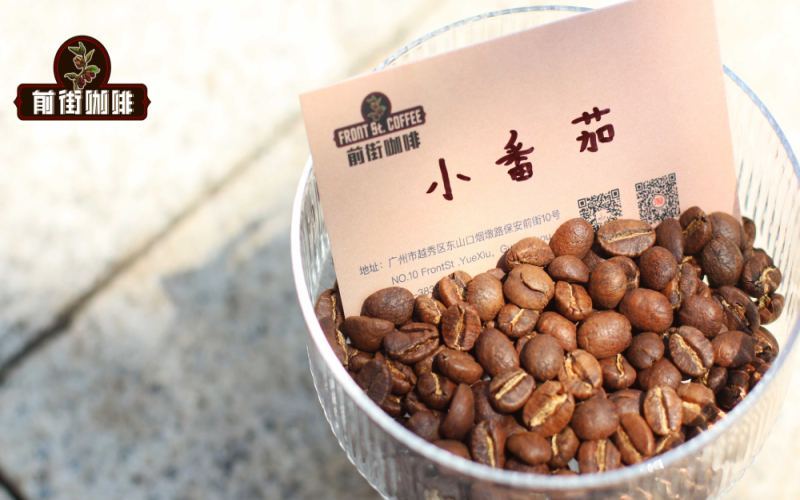
A Comprehensive Analysis of Kenya K72 Double Washed Processing: From Fermentation Process to SL Varieties and Flavor Origins
Kenyan coffee is renowned for its bright, clean acidity and deep berry flavors, and behind this lies the widespread use of the double washed process locally, with the K72 method being particularly iconic. From the perspective of Front Street Coffee, this article systematically outlines the complete process of the Kenyan-style 72-hour fermentation washed method, including the specific operations and roles of the two rounds of washing and fermentation; it also introduces Kenya's growing conditions, the origins and characteristics of the main varieties SL28, SL34, Ruiru11, and Batian, as well as the grading system for Kenyan coffee beans. At the end, it also includes the roasting curves, brewing parameters, and flavor descriptions for two Front Street beans, Kenya Small Tomato and Sachini PB, helping coffee enthusiasts fully understand the logic behind the formation of Kenyan coffee flavors. [more…]
A Comprehensive Analysis of Kenya's Coffee Industry and the Dormans Estate: From Regional Systems to Front Street Coffee's Recommended Beans
Kenya, with its exceptional natural conditions and continuously improving industry system, has become an indispensable origin in the global specialty coffee landscape. This article begins with Dormans Estate, one of Kenya's largest coffee producers, and traces its quality control philosophy since its founding in 1950 and the origins of its title as the "King of African Coffee." It then systematically introduces Kenya's coffee cultivation mechanisms, government promotion, grading system, and the K72 washing process, and analyzes the characteristics of core producing regions such as Nyeri, Kirinyaga, and Murang'a one by one. Finally, it includes the brewing parameters and flavor description of Front Street Kenya Little Tomato coffee beans, providing coffee lovers with a complete knowledge map of Kenyan coffee. [more…]